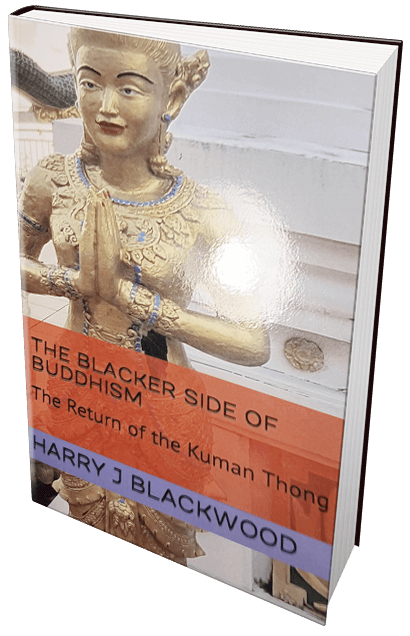
”The Blacker Side of Buddhism: The Kuman Thong in Myanmar is not your typical meditation-on-a-mountain kind of read. Instead, it pulls you into the dimly lit corners where spirituality, folklore, and taboo quietly intertwine. This book feels less like a lecture and more like being led through a hidden corridor—one where every door creaks open to something both fascinating and unsettling.
At its core, the book explores the practice of Kuman Thong—spirit child veneration—and how it manifests within Myanmar’s unique cultural and religious landscape. What makes this work stand out is its willingness to sit with contradiction. Buddhism is often painted in serene brushstrokes, but here, the author carefully reveals a more complex mural—one layered with animism, superstition, and deeply human desires for protection, luck, and control over the unseen.
The writing strikes a compelling balance between academic insight and narrative intrigue. It doesn’t sensationalize the subject, yet it doesn’t shy away from the eerie aspects either. There’s a quiet respect in how the practices are presented, even when they challenge the reader’s comfort zone. At times, the pacing leans a bit dense, especially when diving into historical or anthropological detail, but patient readers will find those sections rewarding.
What lingers after the final page is a sense of expanded perspective. This isn’t just a book about a specific ritual—it’s about how belief systems evolve, adapt, and sometimes absorb elements that outsiders might find surprising or even disturbing. If you’re curious about the lesser-known, shadowed edges of spiritual traditions—or you simply enjoy books that challenge tidy narratives—this one is well worth your time.
Just don’t expect to come away unchanged… or entirely comfortable.
A Haunting Glimpse into the Shadows of Faith - THE BLACKER SIDE OF BUDDHISMTennille Rehm